
Check the move type against the opponent’s type. Change an attack known to deal 0x damage, then compare usable alternatives by power, PP, turn order and current HP. Type effectiveness is only one part of damage.
- Official help gives a 0x–4x multiplier range.
- Effectiveness describes an attack rather than a species ranking.
- Equal multipliers do not mean equal damage.
- The complete matchup matrix and damage formula remain unverified.
Basis: Official help checked October 9, 2026. Video examples show one run with an unknown recorded build. Conditional recommendations and arithmetic examples are planning advice, not comparative gameplay tests.
Compare the move’s attack type with the opponent’s type before choosing an attack. Official help confirms type multipliers from 0x to 4x. Use those multipliers to make decisions; a complete game-specific type matrix has not been verified here.
On this page
Which battle information should you read first?
Read attack type, power and PP from the move information, then inspect the current opponent’s type. Your own species type does not replace this comparison: one member may have differently typed moves, and each attack needs its own matchup decision. The 03:00 video frame illustrates the move information.
If the screen does not establish the relationship, do not infer the multiplier merely because that move worked in a previous fight. Prefer an attack whose applicability you already know, and record the move, opponent and result. One result does not establish the full chart.
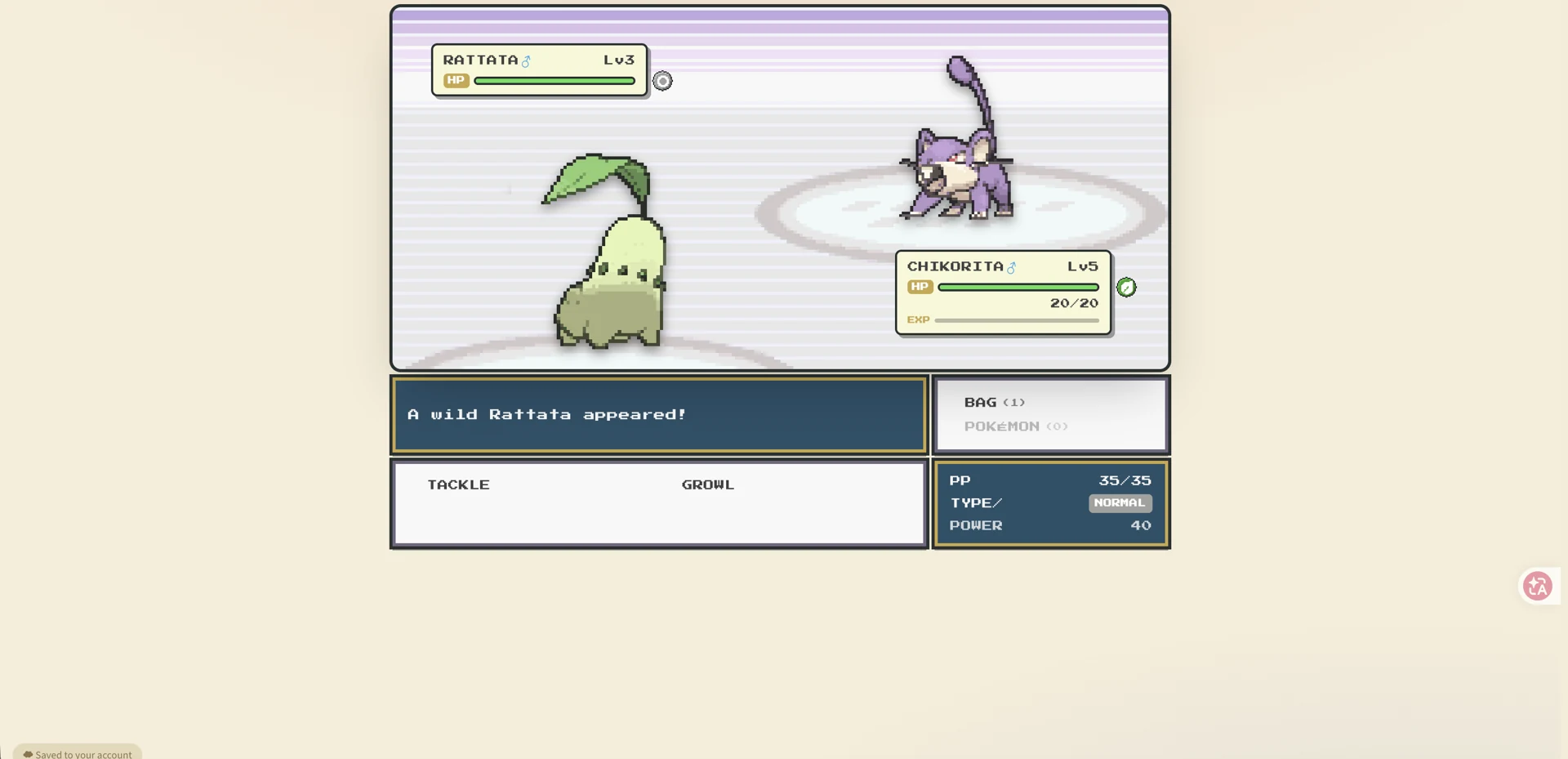
Player-provided capture, October 9, 2026. This still shows the visible interface; the game build and later outcome are not established.
Player-provided gameplay · View full screenshot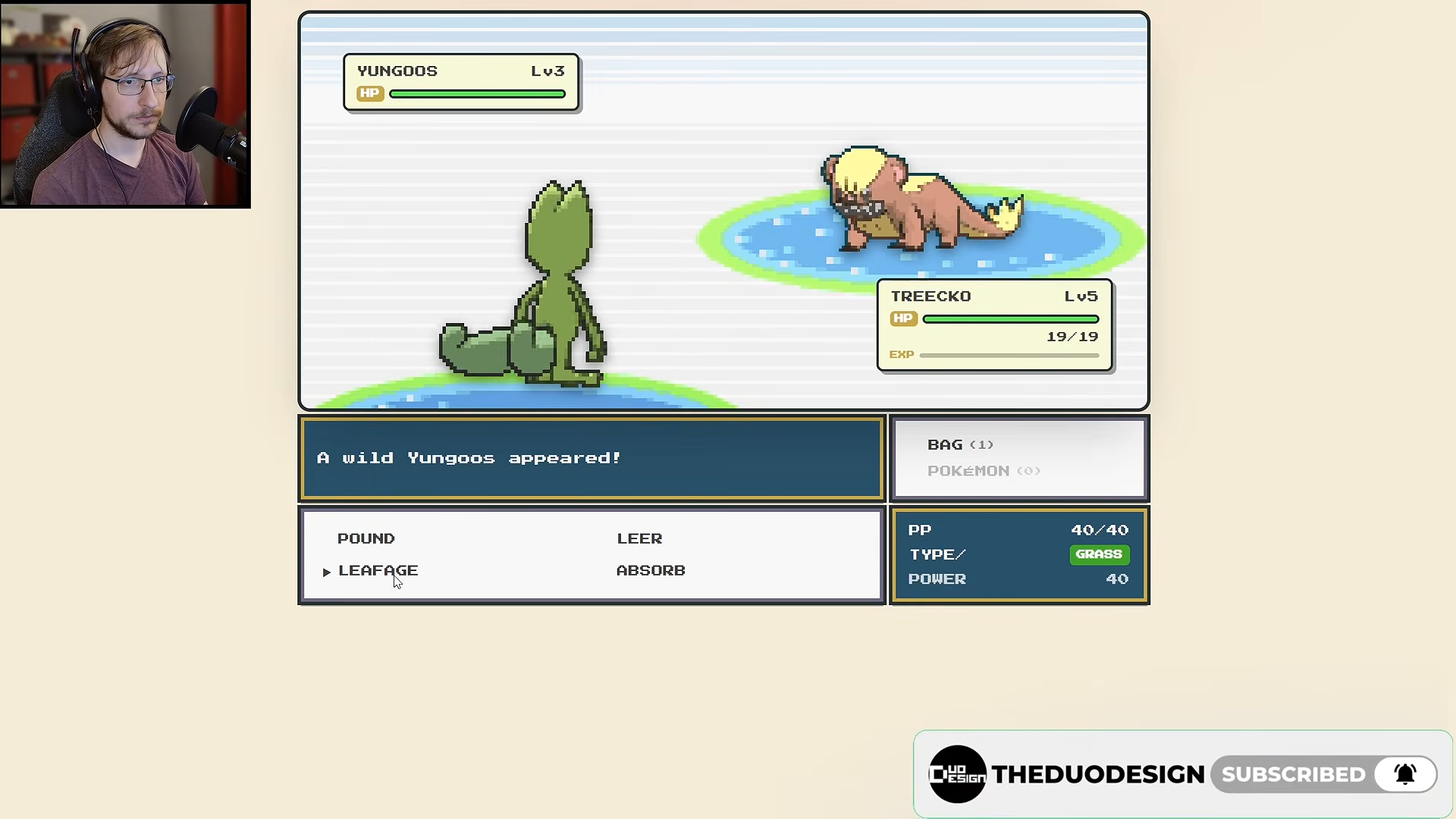
03:00 · TheDuoDesign · recorded build unknown. One run; current instructions are checked separately.
TheDuoDesign · View sourceHow should you interpret a multiplier?
This table explains multiplier meaning and decisions rather than type pairings. Direct comparisons assume all other damage conditions are equal; actual battle damage also depends on moves and combatant conditions.
| Multiplier | Meaning | Action |
|---|---|---|
| 0x | The affected damage term becomes zero | Change to a known usable attack; do not infer status-effect immunity |
| Below 1x | The damage term is reduced | Compare suitable alternatives |
| 1x | This type factor leaves the damage term unchanged | Compare power, PP and other conditions |
| Above 1x, up to 4x | The damage term is amplified | Consider it without assuming a one-hit knockout |
How should you choose between two attacks?
Exclude moves with no PP and attacks known not to deal damage, then compare effectiveness and power among the remaining options. Check speed order and HP next: the faster combatant acts first, so a stronger attack is useful only if the member can act.
For illustration, an identical 20-point base damage term becomes 40 at 2x and 80 at 4x. This explains multiplication, not the game’s complete damage calculation. Levels, offensive and defensive stats, random factors and other effects are not included; 80 is not a guaranteed next-hit result.
How does this become a party coverage check?
List the attack types each member can actually use, then check how many options a difficult opponent restricts at once. If every member relies on similar attacks, prioritize a move, TM or catch that addresses that specific limitation.
Counting species types is insufficient: differently typed members can still carry the same attack options. Include the action and damage risks of switching rather than treating a coverage change as automatically safe or free.
What should you check when damage is lower than expected?
Confirm the selected move and inspect the current opponent rather than relying solely on the map’s gym-type tracker. A user-supplied Discord report describes a Water tracker followed by a Rock gym. It remains unreplicated, so make the decision from the actual combatant rather than assuming the tracker is always correct.
Next inspect power, status and HP. For multi-hit or unusual move behavior, record the move, target, turn and screenshot, then consult reported battle issues. Do not rewrite an entire matchup relationship from one anomaly.
Next: improve coverage or choose moves
Use this page to interpret multipliers. The complete matrix is not verified. Continue party changes using actual moves and resources rather than treating an unknown pairing as established coverage.
Frequently Asked Questions
Does 4x guarantee a knockout?
No. It is a type multiplier; other damage conditions still matter, and no universal knockout formula is established here.
Is Type Prism a general same-type bonus rule?
No. It is a relic description requiring a move to match the member’s first type; it does not establish the ordinary same-type damage formula.